
The Body Shop, after having long been the benchmark in ethical cosmetics, was placed in judicial recovery in early 2024. The brand, a pioneer in fair trade and the fight against animal testing, could not withstand the massive arrival of new, more agile competitors. The rise of independent alternatives and eco-responsible brands has disrupted a sector once dominated by a few big names. Controversial strategic choices and difficulty in renewing its narrative have weakened The Body Shop’s position, paving the way for a new generation of players.
The Body Shop, pioneer of committed cosmetics, facing turmoil: understanding the fall of an icon
At the time, The Body Shop represented more than just a green logo in the window: transparency about formulas, a strong commitment against animal testing, the desire to trade differently. In the 1970s, London, the bet seemed crazy. Today, the brand is faltering. Its placement in judicial recovery in early 2024 sounded the alarm: even myths can bend.
Facing it are more nimble competitors: independent brands, organic labels, new expectations from a generation that no longer compromises. The Body Shop has lost its way, unable to renew a narrative that has become predictable and disembodied. The sector, on the other hand, is awakening, shaken by iconoclastic creators and local initiatives.
The consequence is palpable: disoriented consumers, a blurred image, weakened loyalty. Through strategic compromises, the icon has become mired. For those looking to broaden their horizons and discover solid alternatives, you can learn more on SOS Beauté.
Consuming ethically today: a trend or a real change in mentality among the youth?
The ethical shift is no longer an exception: it is imposed, dictated by a generation that makes its consumption choices a banner. According to the Cetelem Observatory 2023, 72% of 18-29 year-olds now prefer to buy from committed brands, for ecology or human rights. The market has no choice but to align.
It’s no longer just about branding. Today, a cosmetic or perfume must provide proof: readable ingredients, origin of raw materials, guarantee of a fair and transparent supply chain. Social media have become courts: we expose, we denounce, we reward consistency and traceability, we condemn opacity and false commitments.
Wearing perfume has changed its meaning. It is not just a pleasurable gesture; it is also a militant act, the affirmed choice to belong to a collective with shared values. Some brands have understood this well: they are revisiting their recipes as well as their distribution methods, taking better account of sourcing, reviewing supplier relationships, rethinking packaging.
This movement is scrutinized: the launch of each product sparks debates, every CSR policy is analyzed, every slogan must be accompanied by proof. Buying a perfume now means engaging in a quest for consistency.
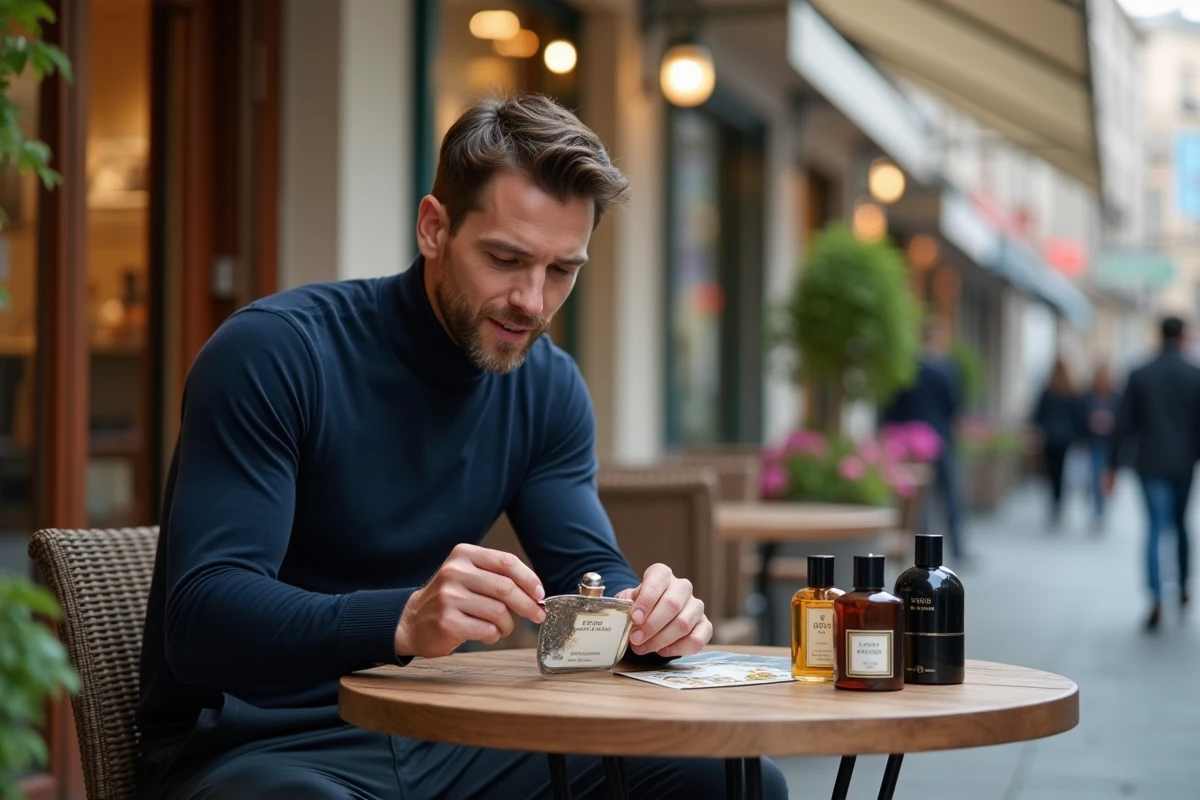
What alternatives to Adopt and The Body Shop for responsible perfumery to explore in 2024
A new ecosystem is emerging in responsible perfumery: local initiatives, brands rethinking the customer experience, demanding labels. In 2024, consumers are calling for clarity at all levels: origin, processing, distribution. Attentive companies are betting on raw formulas, rethought ingredients, packaging that no longer rhymes with waste.
In this dynamic, new models are emerging. They stand out, not through loud campaigns, but through sustainable commitments. Responsible alternatives to Adopt and The Body Shop are organized around clear pillars:
- Upcycling of ingredients: agricultural surpluses, co-products from harvests, everything is reused to create surprising scents and limit waste.
- Refillable bottles: deposits and refills are taking root, to drastically reduce the volume of glass thrown away.
- Local production, short circuits: from field to fragrance, each step supports the local fabric and ensures control over the value chain.
This is not just a display effect: trust is earned, day after day. Followers demand proof, analyze, verify. Now, every fragrance carries a requirement: the story it tells must be documented, accessible, and coherent, from sourcing to packaging. Promises alone are no longer enough; only rigor and transparency create lasting adherence. Who would have thought that a simple spray could crystallize so many expectations?