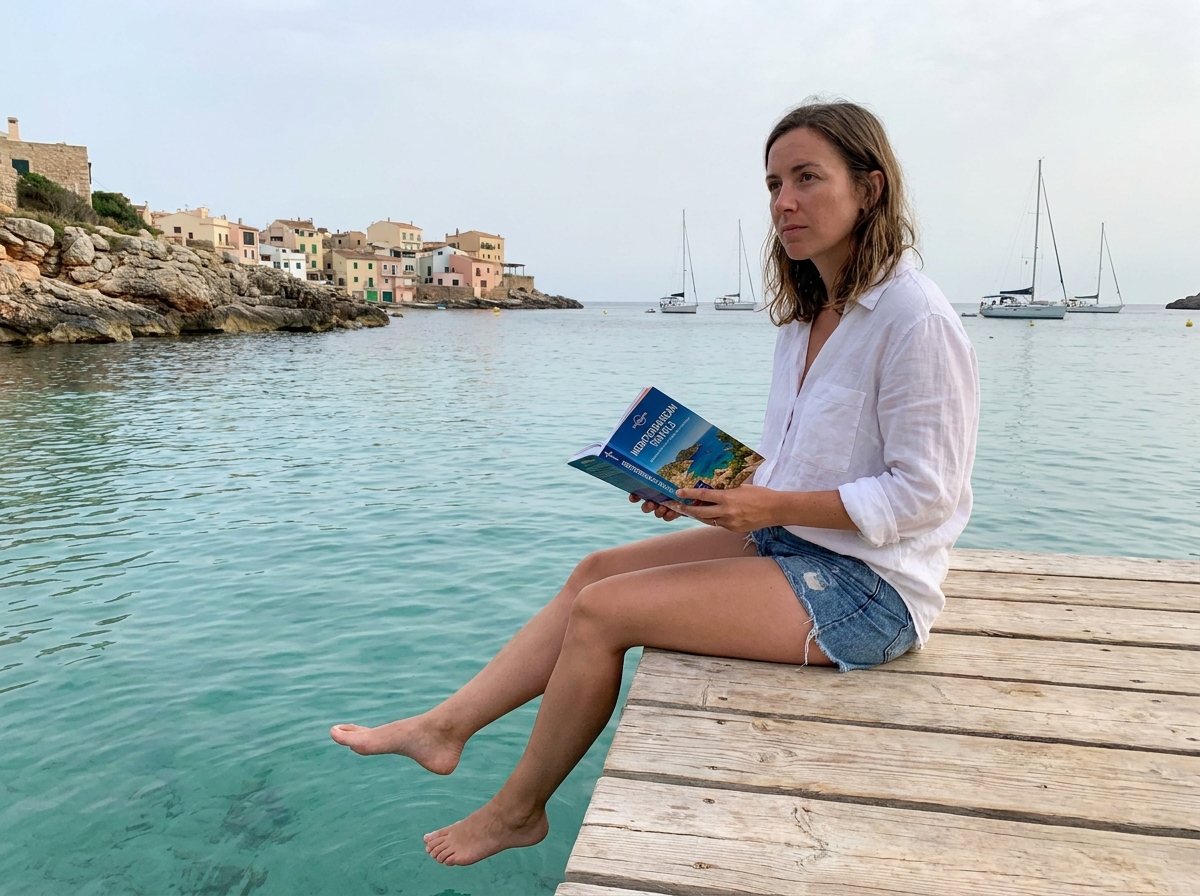
Statistics often defy the most commonly held beliefs: in Europe, crowded beaches are not necessarily the most expensive. Some discreet seaside resorts impose higher tourist taxes than the stars of the coastline. It even happens that local regulations restrict access to certain beaches during the tourist season, regardless of the visitors’ origin.
Accommodation, transportation, access to healthcare: each coastline has its own specifics, and fame guarantees nothing. Even within the same country, disparities between regions require a reassessment of habits when it comes to making a choice.
Beach holidays in Europe: an overview of possibilities and current trends
Vast beaches or secluded coves, the European coastline is full of character. France plays on contrasts: wild Brittany, vibrant Mediterranean, oceanic moors. Between Ploumanac’h, the Calanques of Marseille, the Silver Beach at Porquerolles, or Le Porge Ocean, everyone finds their palette.
Spain varies the atmospheres: rugged landscapes of the Costa Brava, secret coves of Mallorca, dunes of Fuerteventura, or invisible beaches of Formentera. In Greece, the change of scenery is total: pink beaches of Elafonisi, white cliffs of Sarakiniko, while Croatia bets on the clarity of its waters at Zlatni Rat or Podrace. Portugal, on the other hand, faces the Atlantic: Algarve, Odeceixe, Adraga, Cordoama, and the steep coasts of Madeira capture attention.
The allure of islands remains strong: the Canaries, Sicily, Sardinia, Madeira, or the Cyclades embrace diversity. Between hiking escapades, swimming at will, and centuries-old heritage, each island asserts its style. And to change perspective, a Mediterranean cruise allows you to hop from Sicily to Crete, the French Riviera, or the Greek islands without worrying about borders or schedules: the adventure unfolds along the water, from stop to stop.
Trends shake up the map. Bulgaria and Montenegro are making their mark with the beaches of Varna and Budva, ideal for affordable stays. Further north, Iceland surprises with its volcanic black sand at Reynisfjara, while Norway opens a window on Skipssanden, well north of the Arctic Circle. Before anticipating the perfect itinerary, keep in mind: season, accessibility, visitor levels, and balance between nature, culture, and quality of life tip the scales.
What criteria should be prioritized to choose the right seaside destination?
Finding the dream spot to lay your towel depends on much more than just the climate or the beauty of the landscapes. One juggles between settings, ambiance, ease of access, and available options on-site. The ideal remains to align your desires with what the coast can offer.
The shoreline’s characteristics have a significant influence: fine sand or pebbles, steep cliffs or gentle dunes, the experience changes completely. Those who prefer peaceful swims will aim for lagoons or calm beaches, such as Migjorn in Formentera or Elafonisi in Crete. If it’s the end of the world that attracts, head to preserved sites: Cofete in Fuerteventura, Calanque d’En-Vau, or beaches accessible only by foot.
Heritage, whether natural or human, also weighs in the decision. Some beaches combine sensational scenery with international recognition, such as the Scala dei Turchi in Sicily or the Calanques of Marseille. Others, like Ploumanac’h or Ars-en-Ré, charm with their local atmosphere and tranquil pace. Proximity to an archaeological site, a historic village, or a natural park adds a unique dimension to the stay.
Visitor levels and timing remain crucial: it’s better to aim for quieter spots, like Podrace in Croatia or Adraga in Portugal, for those who dread the crowds of high season. Some shorelines are only accessible to walkers or boaters, while others are connected to large seaside resorts, ideal for families or creating a lively atmosphere.
To refine your choice, here are the most useful parameters to consider:
- Type of shoreline: fine sandy beach, round pebbles, cliffs, dunes
- Environment: protected areas, natural parks, classified zones
- Ambiance: typical small village, vibrant resort, wild isolation
- Accessibility and infrastructure: roads, shuttles, facilities, accommodation services
- Visitor levels and preferred timing: lesser-known site or famous beach, low or high season
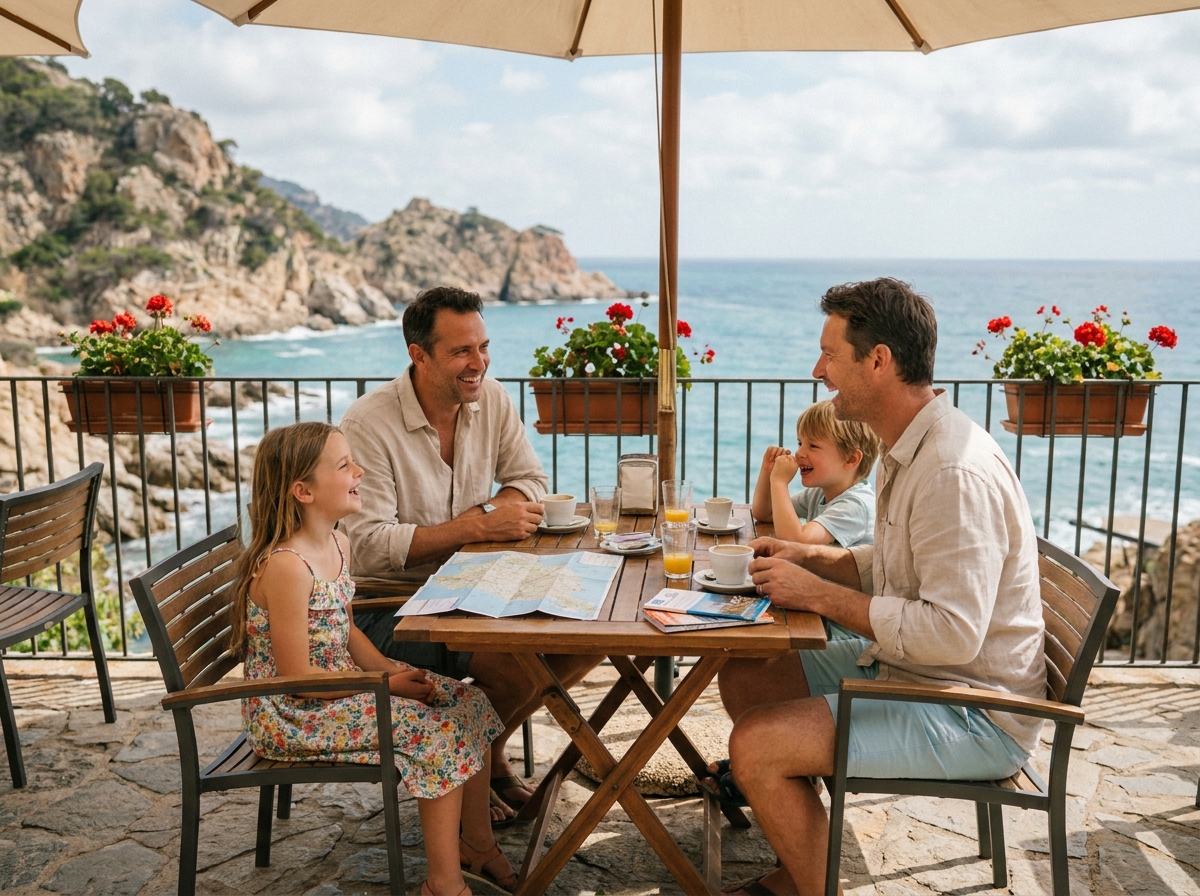
Affordable destinations and practical tips for a successful stay on the European coastline
Challenging preconceived notions often allows for planning a holiday by the water without exceeding the budget. Opt for the less crowded shores: near Varna in Bulgaria or Budva in Montenegro, fine sand, calm, and low prices create an attractive offer. Further south, Ksamil and Saranda in Albania provide an affordable alternative without sacrificing scenery.
Steering clear of overcrowded resorts and focusing on seaside villages or urban beaches on the outskirts not only offers fairer prices but also valuable authenticity. Choosing accommodation outside major centers can truly make a difference, both for the wallet and the atmosphere: the encounters are different, and the rhythms less standardized. Itinerancy is also appealing: following the Adriatic coast, discovering Albanian beaches, or changing stops according to desires often leads to pleasant surprises.
The timing significantly impacts prices: traveling in May, June, or September ensures ideal temperatures, tranquility, and controlled budgets. For practical organization, take the time to check local connections or the availability of rental vehicles: gaining autonomy simplifies unexpected situations.
Some simple tips can really optimize preparation and lighten the bill:
- Anticipate booking accommodation, especially if you aim for July-August.
- Focus on local markets, perfect for eating well without breaking the budget.
- Before diving in, take a look at labels indicating the quality of bathing waters to enjoy the sea with peace of mind.
The European coasts offer a vast playground, between cultural discoveries, new horizons, and great swims. Now it’s time to choose the direction: a quest for raw nature, a thirst for festive atmospheres, or simply a desire to savor the salt on the skin, the next getaway is already taking shape on the map.