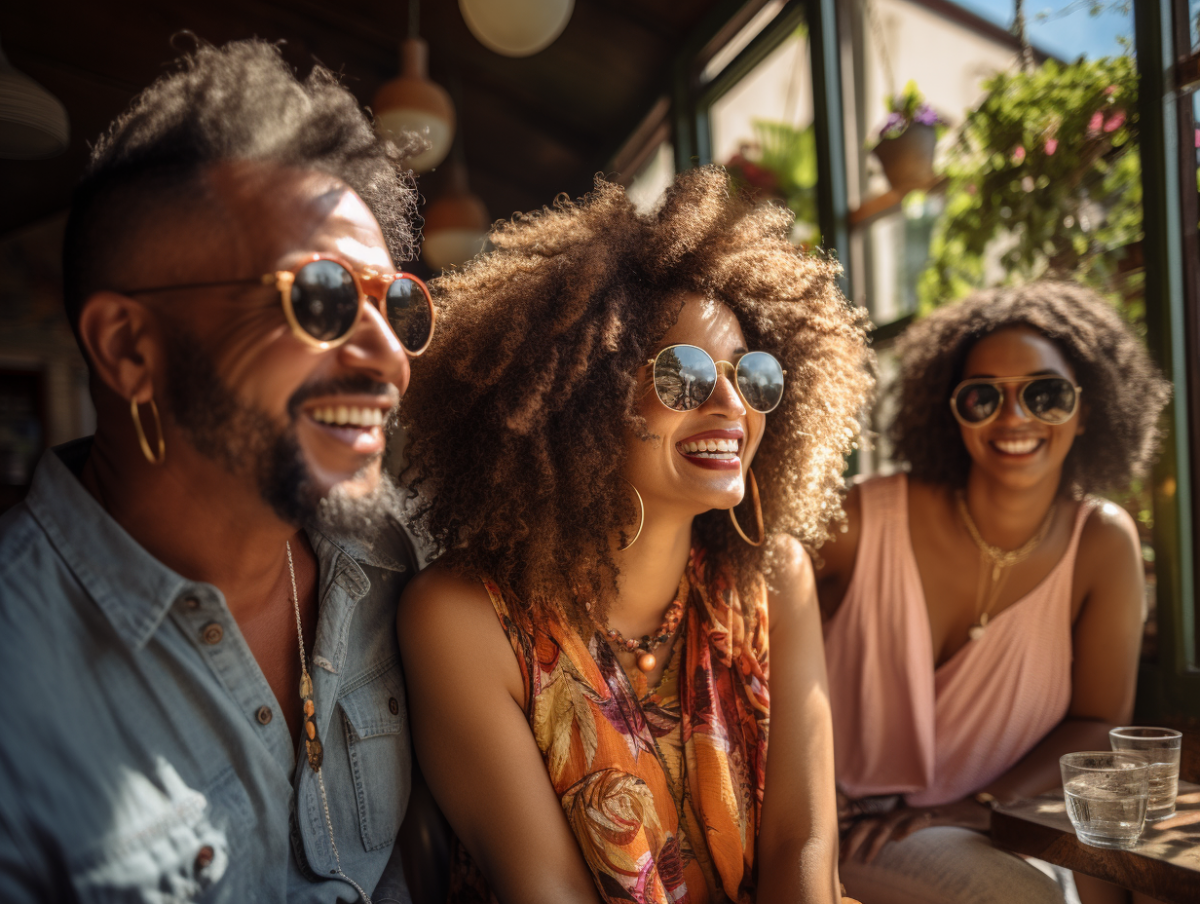
Sustainable fashion is not just about responding to ecological awareness; it also offers the opportunity to forge a unique style, far from the uniformity of large brands. This growing movement encourages us to rethink our way of consuming fashion. Choosing ethical and responsible clothing means selecting pieces that tell a story, support artisans, and promote environmentally friendly practices. It is also an opportunity to stand out with a personal, thoughtful style that transcends fleeting trends and reflects individual values.
The Foundations of Sustainable Fashion: Understanding to Make Better Choices
Sustainable fashion and ethical fashion stand as credible alternatives to fast fashion. These concepts, far from being mere marketing labels, are rooted in a reality where every purchased garment is part of a thoughtful approach. At Chez Joëlle, a pioneering boutique in the sector, eco-design is reflected in recycled materials and processes that minimize environmental impact. Sustainable fashion also encompasses practices such as cruelty-free fashion, ensuring no cruelty to animals, and low impact fashion, which minimizes ecological damage.
Behind every fair trade fashion brand are strong values, a clear vision, and a well-defined strategy. This inevitably involves meticulous market research, drafting a solid business plan, and establishing an appropriate legal status. Resources, both human and material, must be accurately assessed to ensure the sustainability of the business. Ethical and sustainable fashion also requires a clever marketing plan and stable financing to expand.
The rise of sustainable fashion is a direct response to a growing demand for more conscious clothing consumption. This alternative to fast fashion is not limited to ecological commitments. It involves a series of key steps, including a deep understanding of market needs, to establish a robust and authentic ethical and sustainable fashion brand.
In this ecosystem, sustainable fashion revolves around concepts such as eco-design, eco-responsible fashion, cruelty-free fashion, and low impact fashion. These concepts, far from being passing trends, represent pillars upon which a responsible and sustainable business model is built. Commitment to fair fashion is expressed through every step of creation, from design to distribution, ensuring a global coherence between the values promoted and the actions taken.
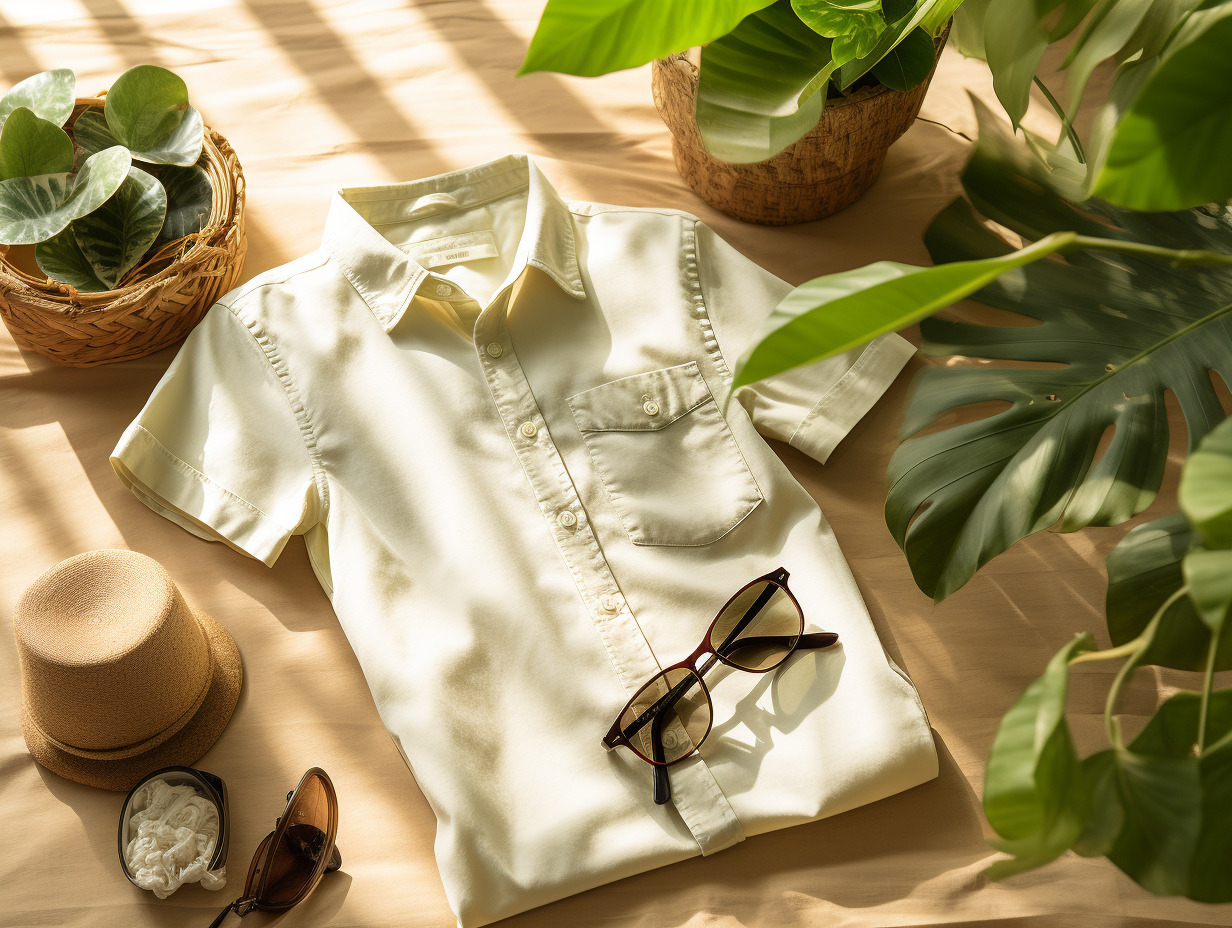
Building Your Personal Style with Respect for Ethics and the Environment
The quest for a personal style often clashes with the ease of succumbing to the sirens of fast fashion, where abundance and variety compromise sustainability. Ethical brands pave a new path, lined with natural materials and fair production conditions. These textile pioneers engage in a fair trade approach, ensuring not only fair compensation for artisans but also the preservation of traditional know-how. Transparency becomes a cardinal virtue, allowing consumers to trace the origin of fibers and understand the impact of their purchases.
In this perspective, the quality of clothing takes precedence over quantity. Pieces made in accordance with ethical and environmental standards stand out for their durability. Indeed, acquiring clothing from ethical and sustainable fashion transcends mere possession to become an expression of the individual’s lifestyle. The ethical consumer becomes a change agent, favoring items that reflect their beliefs and contributing, in turn, to a virtuous economic model.
Creating a sustainable style is not just an aesthetic choice; it embodies an eco-responsible stance. Choosing environmentally friendly and human dignity-respecting clothing means engaging in a holistic approach that combines elegance and awareness. Sustainable fashion offers the opportunity to forge a unique and integral clothing signature, where each piece tells a story of respect and responsibility.