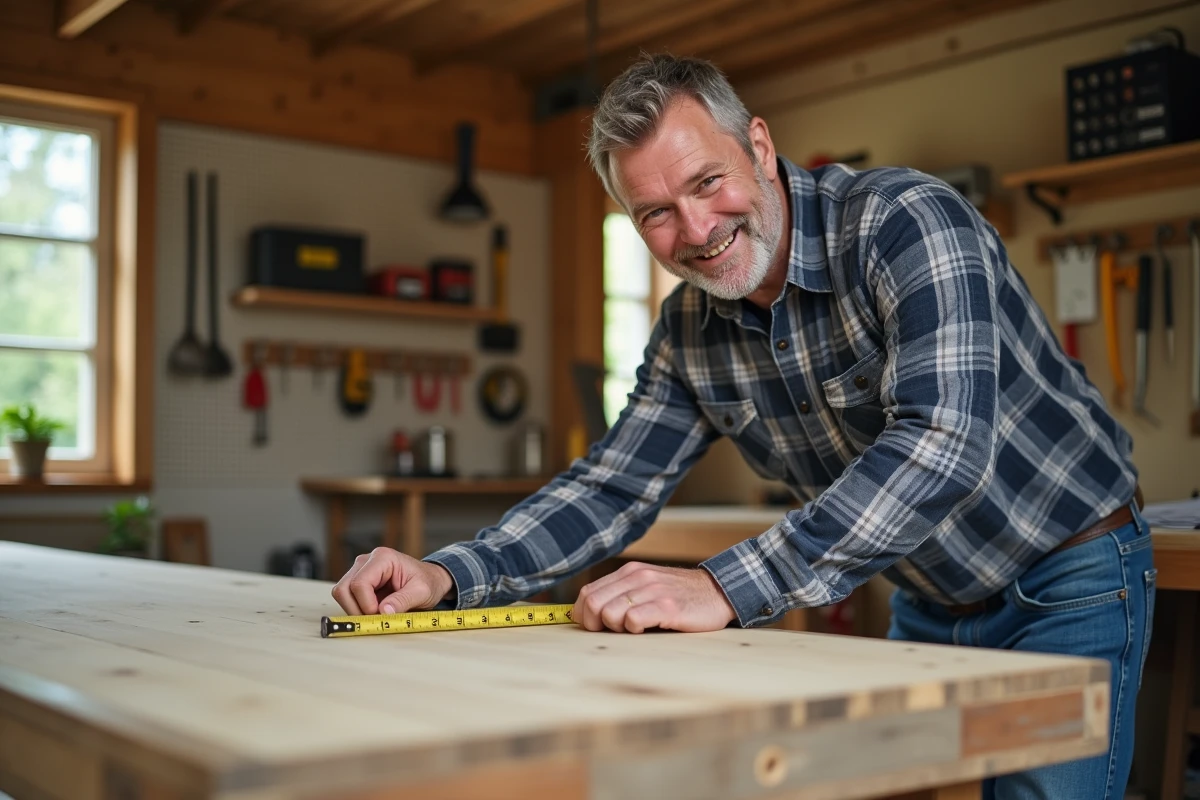
A screw that is too tight can weaken wood more surely than a bad tool. Some universal adhesives lose effectiveness on surfaces that are too clean or too smooth. A new tape measure sometimes has a calibration defect that skews all measurements.
Total improvisation multiplies small failures, even on tasks deemed easy. Patience, combined with a few proven methods, transforms complexity into routine and limits costly surprises.
Why getting into DIY at home changes everything in daily life
Repairing a piece of furniture, repainting a room, or making a floating shelf. Getting into DIY is not just about passing the time: it’s about transforming your relationship with your home, sometimes over details that change everything. Every project, no matter how modest, provides access to true autonomy. Taking control of your tools, understanding how materials react, adjusting, redoing, starting over: daily life is turned upside down, as is the perspective on your environment.
Creativity steps outside traditional circuits. Reused glass jars, repurposed pallets, recycled boards: DIY also demonstrates common sense, ingenuity, and responsibility. Reusing and transforming eases the budget and limits ecological impact. Tips and tricks circulate quickly, carried by a community of caring DIYers, active on forums and collaborative platforms, where everyone shares their discoveries for the home, regardless of their experience.
The collective effect is palpable. Mutual aid has never been more accessible: asking a question, receiving a diagram, sharing a struggle or a success, everyone can find their place. It’s this concrete solidarity that gives DIY a human and social dimension, far beyond mere technique. For those who want to learn, Oh Brico’s advice forms a solid anchor point: detailed guides, feedback, concrete ideas, everything is there to get started with peace of mind and pleasure, always keeping safety in mind.
What are the essentials to get started and avoid common mistakes
Before embarking on a project, it’s better to gather the basic tools and consider useful protection. Here’s what to collect to avoid unpleasant surprises:
- a hammer,
- a drill-driver,
- a tape measure,
- a spirit level,
- several screwdrivers,
- a universal pliers,
- a utility knife,
- a hand saw,
- a metal saw,
- a rasp and a file.
Choosing reliable and versatile tools ensures a good start and avoids many issues on the first jobs.
Safety is non-negotiable. Glasses, gloves, dust mask, proper lighting, floor protection: even for small jobs, all these precautions prevent accidents. Organizing your space, even if it’s just a small corner in the garage or under the stairs, helps keep everything within reach and avoids chaos.
To start, it’s better to aim for simple projects to build confidence. Preparing each step, anticipating the budget, managing your time, all help to move forward without stress. Documentation is key: tutorials, specialized books like The Essentials of DIY (Mango editions), forums, dedicated websites, all serve to strengthen knowledge and avoid missteps.
Respecting safety instructions should become a reflex. Observing diagrams, studying videos, reading the experiences of other DIYers: this is how one progresses and avoids classic pitfalls. With these guidelines, even a beginner can move forward calmly, avoid common mistakes, and enjoy the satisfaction of a job well done, without unnecessary pressure.

Concrete tips and clever advice to succeed in your first projects without stress
Precision, recycling, and organization: the keys to serene home DIY
Three areas facilitate the success of projects from the start:
- Measure carefully before cutting or drilling: this rigor avoids irreversible mistakes and ensures clean finishes, whether fixing shelves or installing hooks in the entryway. The spirit level remains the indispensable ally to keep everything straight.
- Make recycling a reflex: pallets, jars, reclaimed boards, every material can find a second life in a DIY project. A garden bench made from pallets, suspended boxes for the kitchen, frames made from reclaimed wood… Ideas abound, and the act reduces ecological footprint.
- Prepare surfaces meticulously before painting: wash, sand, apply a primer if needed. Using the right roller or brush according to the material avoids marks and provides a clean finish, worthy of a professional.
Getting into the habit of consulting tutorials and explanatory videos for each step remains a rewarding strategy. Forums and platforms share countless experiences, whether it’s plumbing, like replacing a seal or choosing tools, or electricity, with basic safety gestures and compliance with standards.
Asking for advice is never a sign of weakness: community support remains a valuable resource for moving forward. Mistakes, inevitable at first, become learning opportunities. Keeping in mind that DIY should remain a source of satisfaction, never a trial, is also key to a sustainable and enriching practice.
As tools accumulate and projects take shape, the home becomes a reflection of a growing skill set. DIY is a school of confidence and ingenuity, and what if this time, the next success bore your signature?