
A signed compromise does not engage you 100%: withdrawal remains possible for ten days, without justification. However, the majority of buyers overlook this safety window, eager to finalize the transaction.
The purchase offer, often regarded as a mere formality, carries underestimated legal weight. A drafting or estimation error can lead to unexpected financial consequences. Following the order of steps reduces the risks of blockage during the process.
The essential questions to ask before embarking on a real estate project
Before taking the plunge, it is crucial to precisely define the nature of your real estate project. Primary residence, secondary residence, or rental investment: each of these choices imposes its own rules of the game, constraints, and perspectives. To move forward calmly, the buyer must question the purpose of their commitment. Is it a first real estate purchase? A means to prepare for the future, diversify their assets, or ensure stability for their family?
The real estate market is not static. Its pace varies with the seasons. From spring onwards, activity intensifies: competition tightens, and prices follow suit. Conversely, winter often offers more leeway, but properties become scarce. Another parameter to decipher is the location. House or apartment? City center or outskirts? These choices determine the future valuation of the property.
Before proceeding, it is essential to lay out the non-negotiable criteria. Here are the main points to examine:
- Desired area: a T2 or a family house, the question of the number of rooms is never trivial
- Proximity to transport and services: school, shops, access to work
- Quality of construction and insulation
- Energy performance: the DPE is no longer up for discussion. Moreover, starting in 2025, a property rated G will simply be banned from rental
Mastering financing means anticipating first. The mortgage simulation is essential to assess what holds up: borrowing capacity, estimated monthly payments, interest rate impact, remaining living expenses. Today, AI, led by ChatGPT, assists buyers in comparing properties, refining budgets, or simulating different scenarios. Finding the right balance between desires and financial constraints is the real challenge of acquisition.
Budget, financing, criteria: how to build a solid foundation for your purchase
It is impossible to go further without building a robust financing plan. The budget is not limited to the displayed price: it must include personal contribution, the amount of mortgage, but also all associated costs. Among these: notary fees, guarantee fees, potential costs for renovations or furnishing. The debt ratio should never exceed 33 to 35% of net income, or the loan may be refused.
To refine the plan, the mortgage simulation allows for precise measurement of what the bank will agree to lend, depending on the market. Several schemes exist to supplement the contribution, especially during a first real estate purchase: PTZ (zero-interest loan), Action Housing Loan, or even local aids.
It is better to keep a safety reserve to manage the unexpected. Before diving in, it is advisable to list the priority criteria: location, living area, DPE performance, potential for neighborhood development. Each criterion will affect the total cost. Investing in new properties, for example, provides access to certain tax advantages: temporary property tax reductions, reduced VAT, lower notary fees.
To leave nothing to chance, it is preferable to surround yourself with professionals: notary to secure the transaction, broker to optimize financing, property hunter to refine the search. Their support structures the file, checks the consistency of each step, and maximizes the chances of obtaining the loan and finalizing the real estate purchase.
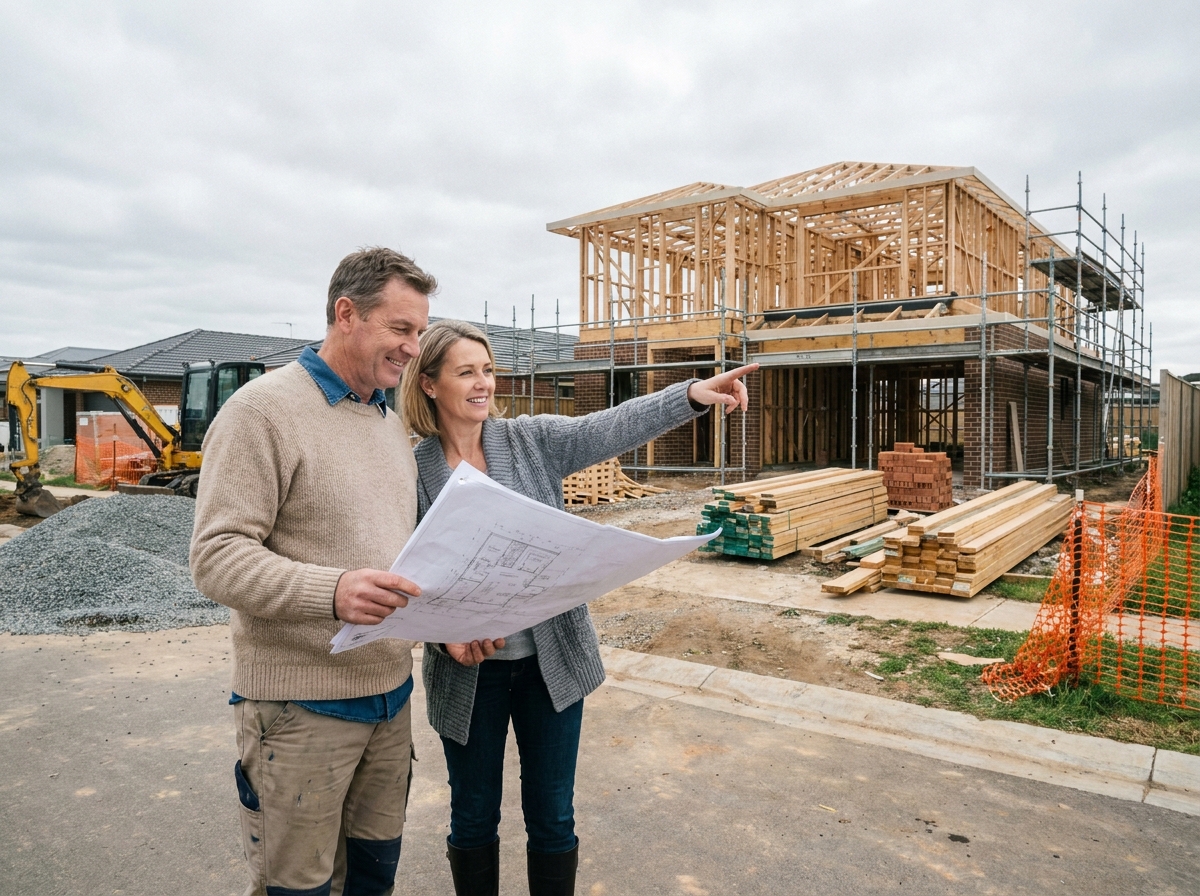
From the compromise to the handing over of keys: the concrete steps to finalize your acquisition smoothly
It is the sale compromise that launches the decisive sequence. At the moment of signature, a countdown begins: ten days to withdraw, without justification, but also to scrutinize the diagnostics and gather all administrative documents. This period allows the buyer to clear their doubts, reread each clause, and prepare for the next step.
Next comes the search for financing. The banker scrutinizes the file, ensures that the financing plan holds up, and requires borrower insurance. Once the loan offer is validated, everything accelerates. If the bank refuses, the sale stops abruptly: no agreement, no transaction.
The final stretch takes place at the notary’s office, during the signature of the deed of sale. The public officer checks all documents, reads the deed in detail, and proceeds to the transfer of funds. The buyer then officially becomes the owner. The handing over of keys concludes this journey where each step has been scrutinized and validated.
To better visualize, here are the major steps to take:
- Purchase offer: a key moment to commit and negotiate
- Compromise or promise of sale: legal security of the project
- Obtaining the loan: bank validation, choice and implementation of insurance
- Authentic deed: appointment at the notary, official transfer of ownership
- Handing over of keys: actual possession of the property
From the first promise to the handing over of keys, each step requires preparation, method, and solid trust in the professionals involved. It is this rigor that transforms a real estate project into a tangible success, turnkey.