
Opening your closet on a seasonal change morning and finding nothing to wear, even though it’s overflowing: we’ve all experienced this situation. The problem rarely lies in the number of pieces, but in the lack of a common thread between them. Building a personal style starts with learning to select less, but better, taking into account the materials, cuts, and what works on our silhouette every day.
Materials and finishes: what the hand of the fabric changes in an outfit
Before discussing color or cut, we should talk textiles. A cotton poplin shirt with a stiff collar does not yield the same result as a fluid viscose shirt, even if both are white and of similar cut.
The quality of a garment is first read in its material and finishes. Turn the piece inside out: clean overlocked seams, cross-stitched buttons rather than glued ones, a rolled hem on a skirt indicate a level of craftsmanship that shows with wear.
The movement of “quiet luxury,” championed by brands like Loro Piana or The Row, is precisely based on this principle: pieces without visible logos, where the touch of cashmere or the drape of wool makes the difference. The Lyst Index 2024 report also confirms a marked increase in high-end minimalist brands compared to logoed streetwear brands.
To explore the fashion universe of Renée Fashion, we find this logic of pieces designed to last and easily combine with one another.
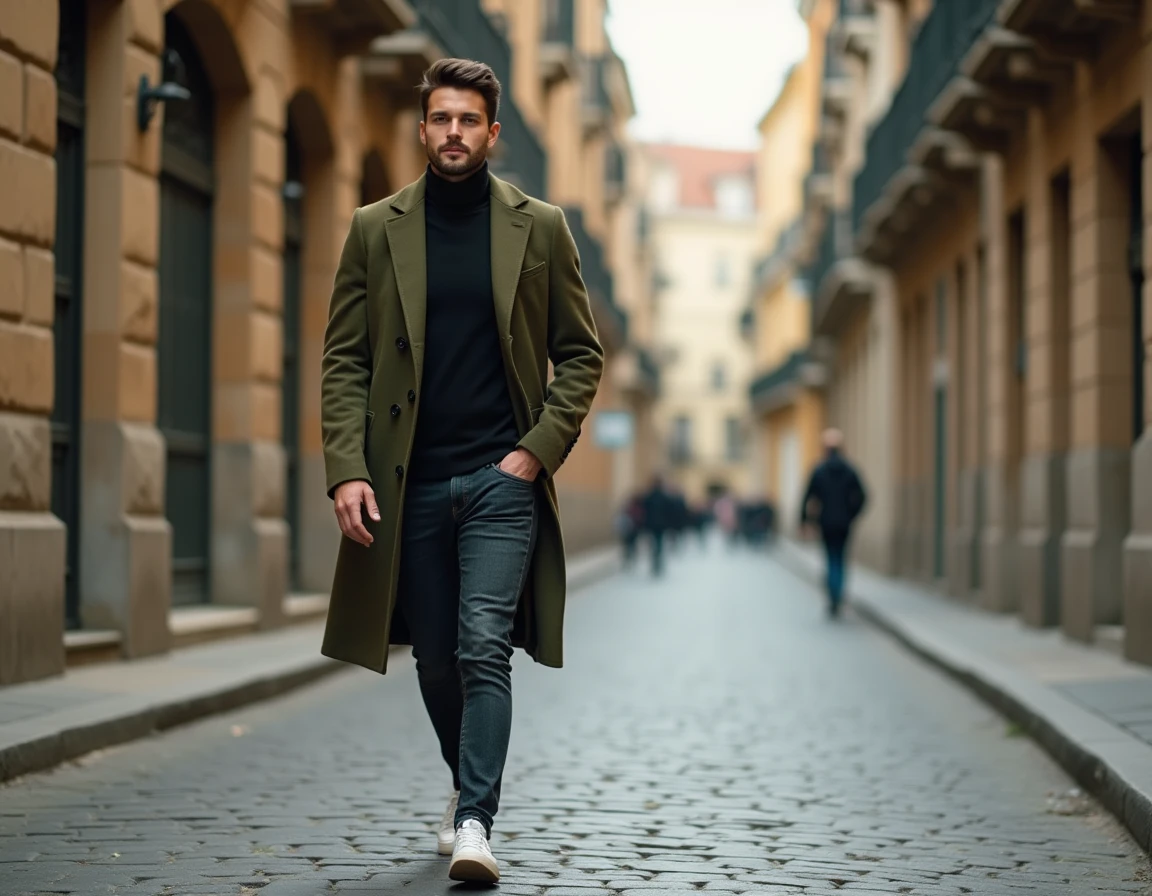
Capsule wardrobe: building a wardrobe that really works
The concept of a capsule wardrobe often comes up in fashion advice, but it is too quickly summed up as “buy neutral basics.” In practice, an effective capsule relies on the compatibility between pieces, not their neutrality.
Choosing pieces that work in pairs
When adding a garment, it should be wearable with at least three other pieces already present in the closet. Otherwise, it ends up isolated and unused.
- A slightly high-waisted straight-cut pant pairs well with an oversized sweater, a tucked-in shirt, or a cropped blazer, covering most everyday situations
- A mid-length fluid dress works alone in summer, worn under a trench in spring, and with ankle boots in autumn, covering three seasons with one purchase
- A barrel-cut jean (the strong silhouette of the moment) advantageously replaces slim jeans for those looking for volume without sacrificing the fabric’s structure
Opinions vary on the ideal size of a capsule, with some setting it at around twenty pieces, while others go up to forty. The goal is not a number, but the actual turnover rate of each garment.
Accessories: the most cost-effective lever
The same shirt-pant ensemble changes radically with textured leather loafers or sleek white sneakers. Accessories (belts, bags, shoes, subtle jewelry) allow for multiplying looks without multiplying purchases.
A well-chosen accessory transforms an ordinary outfit into an intentional one. This doesn’t require a big budget, but a bit of coherence in tones and materials.
Second-hand and rental: two practices changing the way we buy
We can no longer talk about style without mentioning how we acquire pieces. Platforms like Vinted or Vestiaire Collective have made second-hand shopping so common that it has become a reflex for many, and not just for economic reasons.
The Circular Fashion Federation in France reports a continuous increase in transaction volume since 2022. What has changed is the perception: buying second-hand is no longer a compromise, it’s a deliberate style choice. On these platforms, you can find designer pieces unavailable in stores, past limited editions, and authentic vintage cuts.
Clothing rental is also gaining ground for “statement” pieces: evening dresses, designer bags, runway jackets. The Global Fashion Agenda 2024 identifies this growing trend, particularly for occasional events where investing in a purchase isn’t justified.
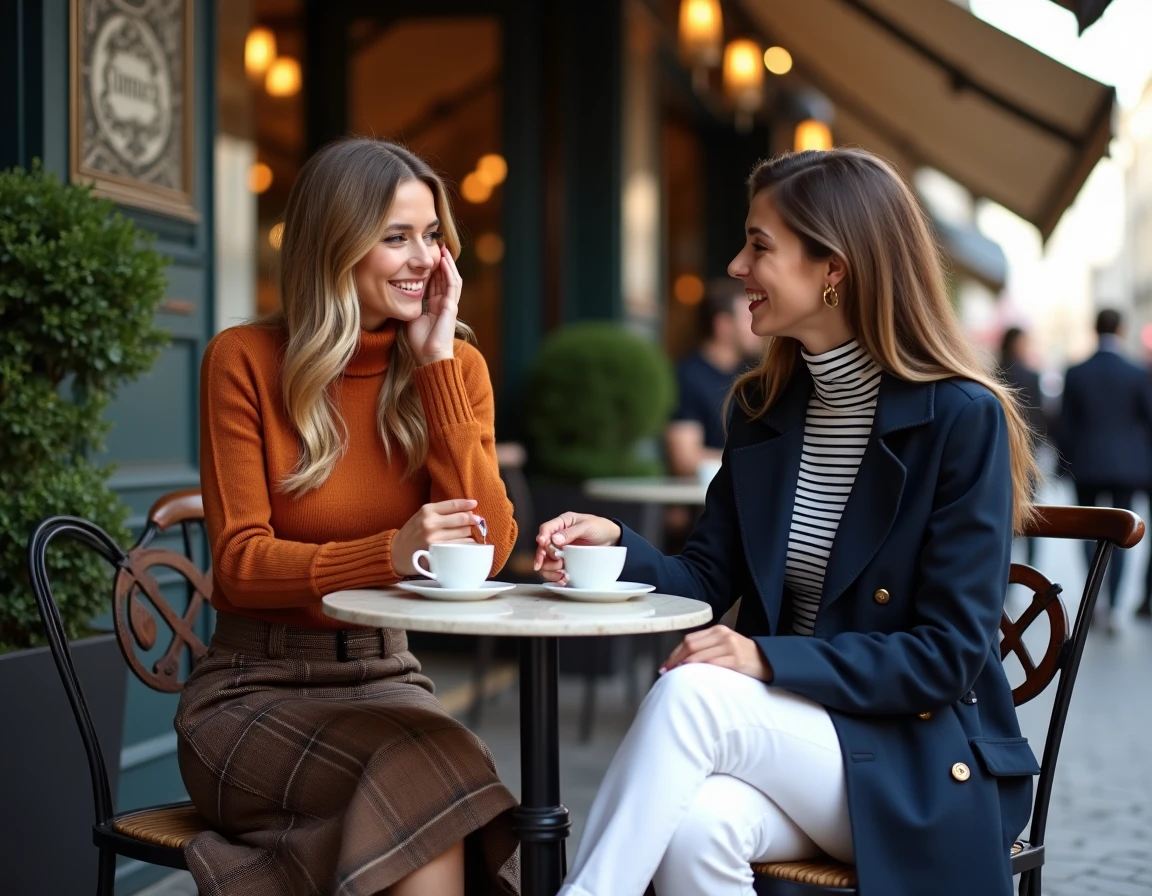
Colors and silhouette: adapting trends to your morphology
The seasonal palettes dictated by fashion shows (pastel tones in spring, terracotta shades in autumn) do not work for everyone. Rather than following an imposed palette, it’s beneficial to identify two or three colors that truly enhance our complexion and hair, then to vary them in coherent shades.
Test before generalizing
A good test: wear the color in question near your face (scarf, shirt collar) under natural light. If the complexion looks dull or drawn, the color isn’t right, regardless of whether it’s the trend of the moment.
When it comes to silhouette, the cut matters more than the size displayed on the label. A well-cut garment in the right size is better than a trendy piece worn too tight or too loose. The fall on the shoulders, the length of the sleeves, the ease at the hips: these details make the difference between “wearing a garment” and “having style.”
- Structured straight cuts suit silhouettes looking for definition, such as a fitted blazer or cigarette pants
- Fluid and draped cuts work well to create movement, like a crepe dress or palazzo pants
- The play of proportions (fitted top with wide bottom, or vice versa) remains the most reliable method to visually balance an outfit
The European Union adopted a directive on environmental claims in 2024 that will gradually modify clothing labeling. Specifically, terms like “eco-friendly” or “sustainable” will need to be backed by verifiable evidence, which should help make more informed choices at the time of purchase.
Style is not built in a single shopping session. It’s a continuous adjustment, made of trials, a few mistakes, and above all, pieces we end up knowing so well that we slip them on without thinking. The best indicator of success is a closet where every hanger is in use.