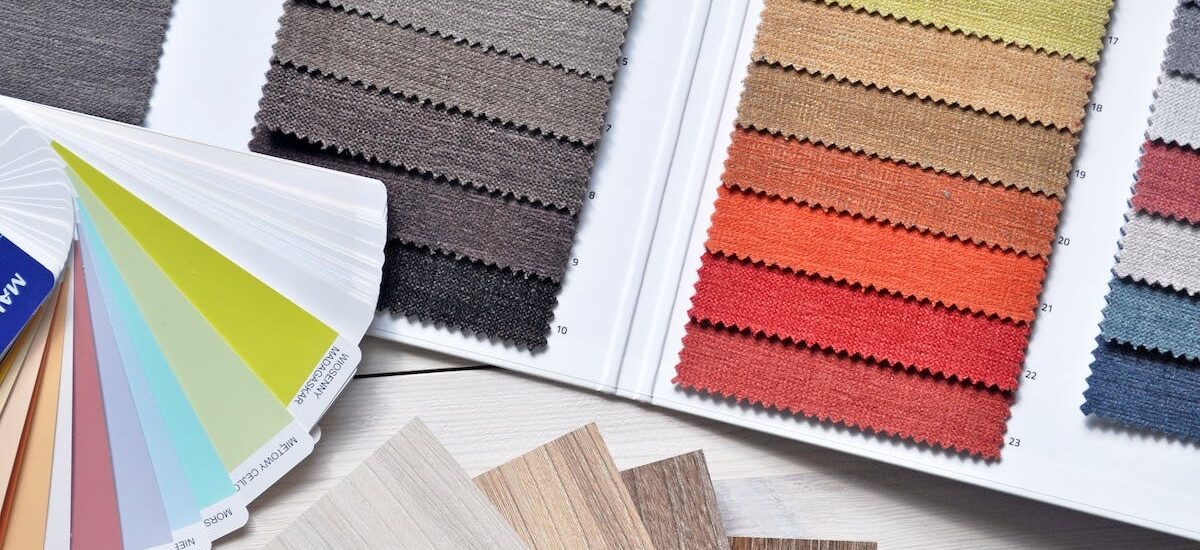
Transforming your inner cocoon into a haven of peace is a natural aspiration. To achieve this, nothing beats a perfect harmony of colors that reflects your tastes and personality. Whether you are a fan of warm or cool tones, bright or soft shades, finding the right mix can turn out to be a real puzzle. Learn to navigate the infinite palette of colors, understand the impact of each hue on your mood and the overall ambiance of your home. Interestingly, some combinations can even influence your well-being. Dive into the captivating world of harmonious color associations for an interior decoration that resembles you.
The Basics of Color in Decoration: Master the Art of Combinations
Understanding the basics of color is essential for successful interior decoration. Colors are crucial for establishing a certain balance and dictating the atmosphere of a space. Therefore, it becomes vital to familiarize yourself with the concept of complementary colors. In a color palette, each shade has its exact opposite: this is what is called its ‘complementary color.’ If you are specifically looking for the complementary color of orange, turn to blue.
The associations between these two hues create a striking contrast that can energize any minimalist or monochrome decor. Imagine, for example, bright orange walls punctuated here and there with cobalt blue accents through accessories or furniture to inject vitality and freshness into your room.
Moreover, it is worth mentioning triads in our exploration of shades: these groupings of three colors evenly spaced around the color wheel, such as red, yellow, and blue, offer a vibrant balance between different shades present in the same environment.
For those whose tastes lean towards a soothing harmony of soft tones in their home, using analogous colors—those adjacent on the color wheel—seems wise. A shade like violet will always be enhanced when paired with its close counterparts like mauve or lavender.
Regarding the monochromatic approach of using different tones of a single dominant color: this can bring a touch of elegance and refinement to your interior while ensuring a serene atmosphere.
To maximize the impact of colors in your space, consider incorporating decorative elements in the same tone as the main color used; try contrasting light and dark; and don’t hesitate to experiment with different color combinations until you find the one that perfectly meets your expectations.
Whether it’s playing with the complementary color of orange, exploring triads, or restricting yourself to the limited circle of analogous shades, each color choice will bring its own unique charm to create an aesthetically pleasing environment.

Complementary Colors: The Alliance That Attracts All Eyes
In the realm of interior decoration, the use of complementary colors plays a crucial role in creating a striking visual harmony. Complementary colors are those that are opposite each other on the color wheel. This relationship between opposing shades creates a dynamic and balanced contrast that can transform any space into a living work of art.
When looking to incorporate complementary colors into your interior decoration, keep in mind that each color has its own emotional impact. For example, pairing blue with yellow will create a vibrant and joyful atmosphere, while combining green with red will bring a warm and festive ambiance.
To fully take advantage of this striking harmony, it is recommended to use complementary colors in subtle touches rather than excessively. For example, you might opt for a main wall painted in bright orange and add subtle cobalt blue accents through accessories like cushions or decorative objects. This will create an interesting visual contrast while maintaining a certain cohesion in your decor.
Another tip is to use triads—a group of three colors evenly spread around the color wheel—to create a balanced color palette. Triads offer the possibility of combining several different shades while maintaining a captivating visual harmony. For example, you could combine shades of red, yellow, and blue in your interior decoration to create a vibrant and bold balance.
If you prefer a more soothing ambiance with soft tones, analogous colors are an excellent choice. Analogous colors are located next to each other on the color wheel and offer a subtle harmony while maintaining some variation. For example, combining different shades of violet such as mauve and lavender creates a calm and sophisticated atmosphere.
Don’t forget the monochromatic approach, which involves using different tones of a single dominant color. This technique is ideal if you are looking for refined elegance in your interior decoration. For instance, opting for different shades of gray can create a striking visual effect while maintaining a serene ambiance.
When using complementary colors or other color associations in your interior decoration, be sure to keep in mind your personal tastes as well as the overall ambiance you wish to create. Experiment with different combinations until you find the one that best suits your expectations.
Understanding how to use complementary colors can transform your space into a true visual masterpiece. Whether you opt for subtle touches or bold combinations, each color choice contributes to the creation of an aesthetically pleasing environment that reflects your personal style.
Triads: The Perfect Balance for Your Spaces
In the world of interior decoration, the choice of colors should not be taken lightly. Indeed, harmonious color associations can greatly influence the atmosphere of a room and even affect our mood. Among the various methods for skillfully combining colors, one stands out particularly: triads.
Triads are groupings of three colors evenly spaced around the color wheel. This technique allows for a captivating visual balance while adding a dose of dynamism to your interior decoration.
Choosing triads means selecting three distinctive shades that complement each other without creating too strong a contrast. For example, you can pair sky blue with a soft shade of powder pink and a pastel yellow to achieve a harmonious ensemble with subtle accents. This combination will bring freshness and softness to your space while maintaining a pleasant visual coherence.
Be sure to note that using triads requires some caution to avoid any visual overload. It is recommended to designate a dominant color among the three chosen to establish a clear hierarchy and thus facilitate the visual reading of the room.
Pay attention to proportions when using triads in your interior decoration. The different shades should be used sparingly to avoid any confusion or visual saturation.
As for the types of rooms where it is preferable to adopt triads, it will depend on your tastes and the sensations you wish to create. However, this technique works particularly well in living spaces such as the living room or dining room, where a friendly and harmonious atmosphere is sought.
Using triads in your interior decoration will bring balance and dynamism to your space while creating a visually captivating atmosphere. Don’t hesitate to experiment with different combinations to find the one that best matches your personal preferences.
Analogous Colors: A Subtle Palette to Enhance Your Interior
In the field of interior decoration, the use of colors is an art in itself. Harmonious color associations can create a warm atmosphere and give character to your space. Among the techniques used by design professionals, we find analogous colors.
Analogous colors are nearby shades located side by side on the color wheel. This technique allows for a subtle palette while maintaining a certain visual coherence in your interior decoration.
The main advantage of this method lies in its ability to create soft and soothing atmospheres.
Monochromatic: Elegance and Simplicity in Your Decoration
Monochromatic colors, on the other hand, offer undeniable elegance and simplicity in your interior decoration. This technique involves using different shades of the same color to create a harmonious and refined effect.
By opting for monochromatic colors, you create a clean atmosphere where each element finds its place with subtlety. The use of subtle variations of the same hue also offers a sense of depth and dimension to your space.
To highlight this monochromatic palette, be sure to contrast the textures and materials used. For example, pairing a soft fabric with a rougher element or playing with differences in shine can bring dynamism without breaking the overall harmony.
Another tip to enhance the visual impact of monochromatic colors is to introduce metallic touches such as copper or gold. These metallic accents add a luxurious touch to your decoration while creating a subtle yet striking contrast.
When using monochromatic colors in your interior decoration, be sure to take into account the natural brightness of the room as well as its orientation in relation to the sun. Light tones can visually enlarge the space while darker shades add warmth and intimacy to larger or less bright spaces.
Tips for Perfect Harmony in Your Interior: The Secrets of Successful Arrangement
Here are some additional tips for creating a perfect harmony in your interior:
Play with contrasts: Complementary colors, that is to say those that are opposite each other on the color wheel, are ideal for bringing a striking contrast to your interior decoration. For example, pair blue with yellow or purple with green. This combination balances the tones and creates a dynamic atmosphere.
Use the 60-30-10 rule: To achieve a balanced arrangement, divide your colors into three categories: the main color (60%), the secondary color (30%), and the accent color (10%). This will help avoid any visual overload while giving personality to your space.
Experiment with patterns and textures: Introducing subtle or bold patterns into your decoration can be an excellent way to add depth and visual interest to your interior. Opt for textured fabrics such as velvet or linen mixed with smoother materials like glass or metal to create a harmonious blend.
Don’t overlook neutrals: Neutral colors, such as off-white, beige, or light gray, can play an essential role in creating a perfect harmony in your interior.