
Urban decoration refers to the adaptation of the visual and functional codes of the city (concrete, metal, graphic lines, compact spaces) to a residential interior. This transfer is not limited to a choice of colors or furniture: it requires rethinking circulation, lighting, and materials based on often reduced surfaces and versatile lifestyles.
Acoustic comfort in apartments: the forgotten parameter of urban style
Living in the city means coexisting with noise. Traffic, neighbors, resonance in open rooms: acoustic well-being conditions quality of life just as much as aesthetics. Competitors talk about glass roofs, open kitchens, and removed partitions, but rarely about what this openness implies in terms of sound.
A hard floor (polished concrete, large-format tiles) amplifies reverberations. Compensating for this phenomenon involves using absorbent surfaces distributed throughout the room: dense mesh rugs, thick curtains, wall panels made of felt or cork. These elements contribute to both design and function.
Slatted screens and openwork partitions, very trendy in urban interior design, offer an interesting compromise. They break up sound without blocking light. When combined with a textile covering on an adjacent wall, they significantly reduce the propagation of noise between living areas and rest spaces. Several specialized resources, including https://designenville.fr/, detail this interplay between aesthetics and comfort in an urban context.
Adaptive lighting: controlling the ambiance in a compact space
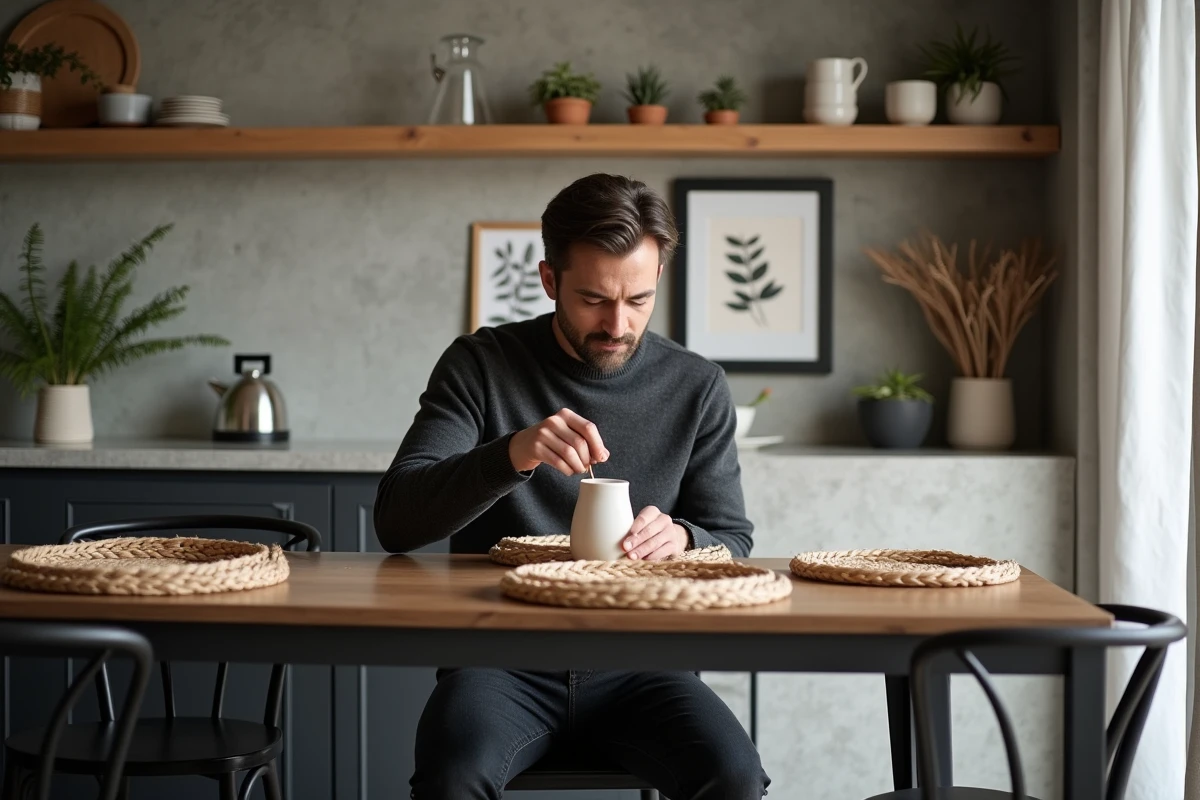
In a small apartment, lighting replaces square meters. A single room can serve as an office in the morning, a living room in the afternoon, and a dining room in the evening. What changes between these uses is the light.
Smart lighting allows for creating scenarios by zone and time of day. Variations in intensity, adjustable color temperature, motion detection activation: these functions, once reserved for professional offices, are now accessible for residential use.
Three levels of lighting to layer
- A diffuse general lighting (ceiling light, track lighting) that ensures circulation and basic visibility in the room
- A focused task lighting (desk lamp, under-cabinet spots) for specific tasks that require visual concentration
- An indirect ambient lighting (LED strip behind a piece of furniture, table lamp with dimmer) that alters the perception of volume and comfort
Layering these three levels in the same space allows for changing the atmosphere without touching the furniture. The industrial urban style, with its exposed metal fixtures and filament bulbs, lends itself well to this logic of light layers.
Sustainable materials and second-hand furniture: the concrete shift
The urban style has long been associated with new, smooth, manufactured items. This association is reversing. The demand for second-hand furniture and materials with low environmental impact is significantly increasing in residential decoration projects.
Refurbishing an existing piece of furniture (sanding, painting, changing handles) costs less than buying new and produces a unique result. A vintage solid wood sideboard, repainted in a dark tone and paired with brushed metal accessories, fits perfectly into a contemporary urban interior.
Which materials to prioritize for a sustainable interior
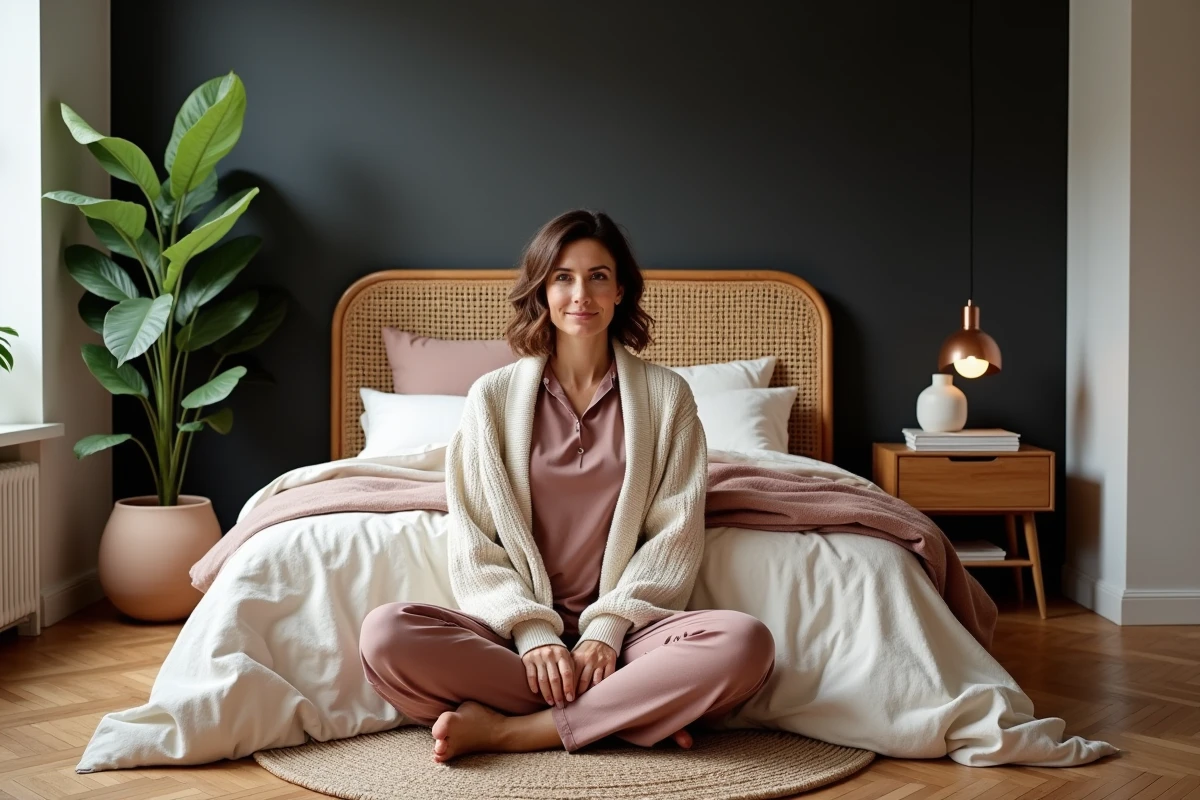
Polished concrete remains a classic of urban design, but its environmental impact raises questions. Alternatives exist: tadelakt (lime-based plaster), recycled terrazzo, or compressed fiber panels. These materials maintain the raw and mineral aesthetic of urban style without the same maintenance constraints.
Cork, already mentioned for its acoustic properties, also works as a decorative wall covering. Its warm texture breaks the coldness of metal and concrete, two pillars of urban visual vocabulary.
Multifunctional layout: organizing a space that changes use
An efficient urban interior relies on the versatility of furniture and the clarity of zones. Each piece of furniture must serve at least two functions to justify its presence in a limited space.
- A bench with integrated storage replaces both a sofa and a storage chest
- An extendable table fixed to the wall frees up passage when not in use
- A wheeled screen visually separates the sleeping area from the living room without structural intervention
Color also contributes to zoning. Painting a wall in a darker shade (burgundy, anthracite, deep green) visually delineates a space without erecting a partition. This principle works in a studio as well as in a large living room open to the kitchen.
A common mistake is to accumulate decorative furniture at the expense of circulation. In urban decoration, a square meter of clear floor enhances the perception of space more than an additional object, no matter how trendy it may be.
Transforming an interior with the codes of urban design is not just about laying concrete and hanging a filament bulb. The result depends on the balance between acoustics, light, materials, and circulation. Each of these parameters interacts with the others: a hard floor calls for a textile complement, an open space requires zoned lighting, and compact furniture demands a thoughtfully planned layout. Style comes only after these technical considerations.